
AI, Matcha and "Skincare in the Sky": Gen Z travel trends revealed
Tik Tok trends have taken off with Gen Z travellers, as growing numbers ditch pre-flight fry-ups for matcha drinks and splurge on skincare over swimwear.
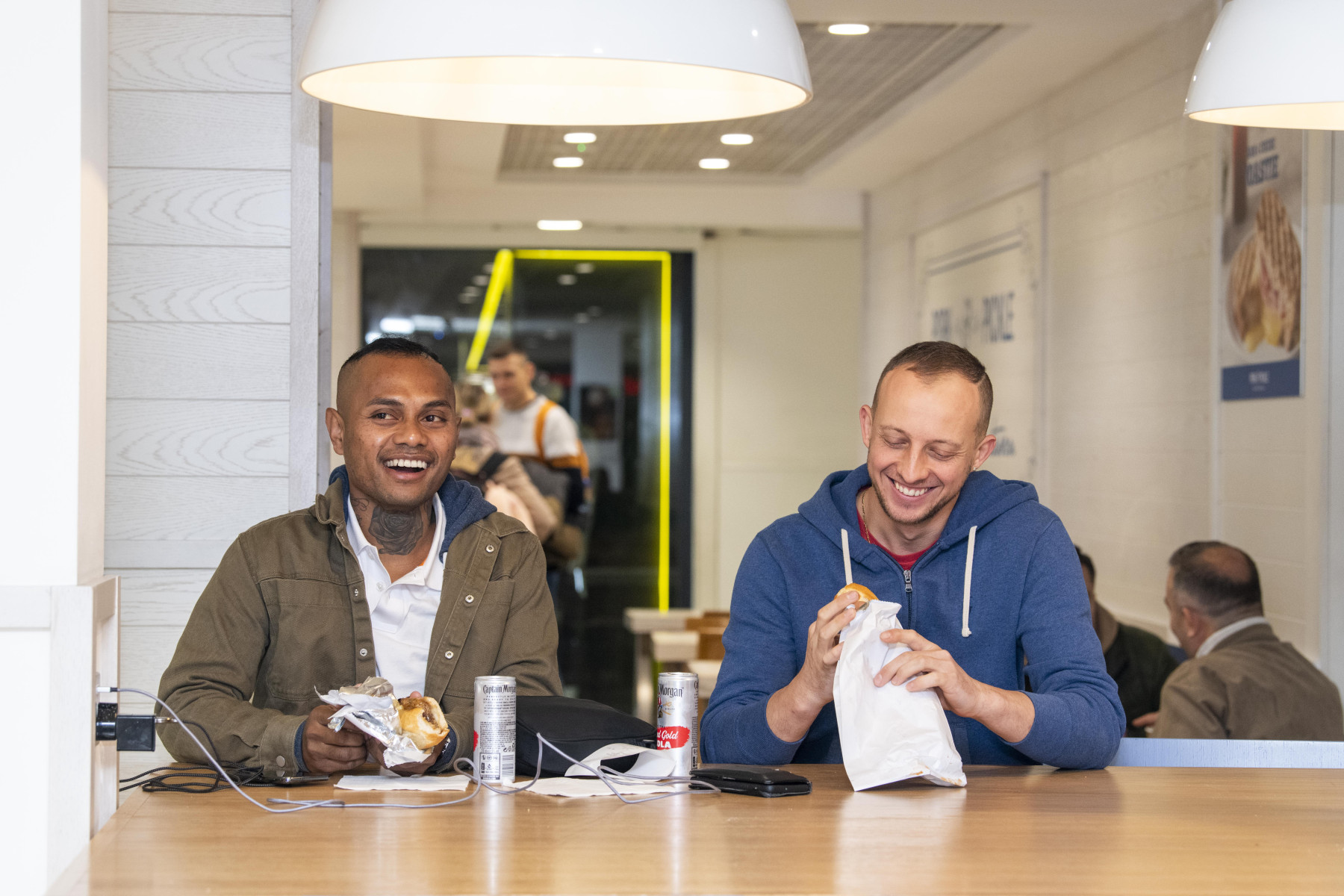
The UK's largest airports group, MAG, has today revealed the travel trends being shaped by the so-called "online generation," with one-in-four now turning to AI to plan their holidays.
Sales of products popular with Gen-Z have soared in terminals, including a six-fold increases in giant Stanley Cup purchases, according to MAG - which owns Manchester, London Stansted and East Midlands Airport.
And hydrating facemasks are booming, with sales of some products up 200% year-on-year, thanks to the "skincare in the sky" trend made popular on social media channels.
As for the destinations most popular with Gen-Z, European city-breaks top the charts, overtaking the "18-30s" package holiday once favoured by previous generations, particularly so-called "boomers."
People classed as Gen-Z were born between 1997 and 2012 and are known as “digital natives.” Here are their travel trends unpacked:
Matcha the day
Matcha is a nutrient-rich Japanese green tea powder, packed with antioxidants and natural energy. It trends across social media as the ultimate wellness drink.
Across all three MAG airports, sales have increased 165% year-on-year.
The biggest increases were seen at London Stansted with a 174% year-on-year growth followed by Manchester with a 144% rise.
That includes at outlets like Pasta Evangelists and chains like Pret a Manger at Manchester and Caffe Nero, Itsu and Krispy Kreme at London Stansted.
While the tired stereotype might have been of young party-animals wolfing an all-day breakfast and downing drinks before their first holiday away together, it seems Gen-Z is more health conscious.
Keen to energise, super smoothies also saw a surge over the last year, with Innocent Energise and Defence smoothies seeing a collective growth in sales of more than 650% year-on-year - the perfect add on to the traditional WH Smith meal deal for the budget-savvy younger generation.
Tik Tok top picks
Airport shops have always been the place to pick up a last-minute bargain – like Premier League football shirts cheaper than club shops – or an item you’ve forgotten to pack, like a swimming costume or pair of flips flops.
But MAG’s data shows the airport terminal is mimicking the high street when it comes to chasing Gen-Z trends.
There’s no better example than Stanley Cup, introduced to JD Sports stores at all three of its airports. The viral accessory has seen sales rocket six-fold since being added to the shelves 12 months ago.
Manchester passengers favour the trendy water bottles the most followed by London Stansted with the overall favourite colour being the rose cup across all three airports. Unsurprisingly, sales peak in the summer months across all airports due to warmer weather driving hydration product demand.
In there like….skincare
Social media channels are also awash with content creators donning sheet masks in their seats as they jet off or completing the perfect skincare routine before landing.
And to do that, they need to stock up at the airport first, it seems.
With the trend of ‘skincare in the sky’ soaring, sales of facemasks sold by Boots and World Duty Free have increased by 399% year-on-year. Garnier facemask from Boots saw the most significant increase in sales with more than 2,000 sold across the year with Manchester Airport passengers picking them up the most before their flights.
Collagen and retinol-based products also prove popular with the online generation. Elemis pro-collagen balm being a top runner for the top under-25 destinations and seeing a 35% growth in sales year-on-year. While the top retinol-based product by Elizabeth Arden, saw a 1,500% growth in sales.
Happy hol-AI-days
With the use of AI tools like Chat-GPT on the rise, Gen Z are using it as a virtual travel agent to create their perfect holiday.
A recent social media poll showed that one in four of MAG’s passengers under the age of 25 said they have or intend to use AI to plan their trips. Among those, East Midlands airport saw the largest proportion of the younger generation planning their holidays using these tools.
But when they grip their handset and instruct “plan my holiday for me,” where are they headed?
Chances are it is on a city break to a top European city. While party capitals on the Med will have dominated the top 10 destination chart with under-25s for decades, they have slowly been overtaken by short break favourites.
Tenerife was the last island hotspot to feature in the top 10 when looking at UK-wide data from the CAA – back in 2024.
It has been overtaken by Dublin, which makes the top three alongside Amsterdam and Barcelona.
New York also proved popular, with travel publication Time Out suggesting that ‘the city that never sleeps’ captivates the young traveller with its diversity, inclusivity and endless opportunities, saying it is ‘officially one of the world’s best cities for Gen Z’.
Data from the CAA, based on the 2024 annual wrap up, also captures their spirit to travel to lesser known, more undiscovered ‘dupe’ destinations – citing an overall 97% growth in travel by the under 25s to Albania, Bulgaria and Romania since 2023. While further afield destinations such as Mumbai in India have seen an impressive growth in popularity with the under 25s with a growth of 245% since 2019.
Andrew MacMillan, MAG Chief Strategy Officer said:
“As consumer trends evolve, so does the travel industry – that’s both in terms of the destinations we work with our airlines to provide and the kind of products people want to consume in terminals.
“This data shows the influence of our younger passengers – Generation Z - who are curating airport experiences strongly influenced by AI and social media.
“It is clear these travellers both want to follow trends and set them and, with one in five UK air passengers using our airports, we are pleased to be able to provide the backdrop for that.
“With an ongoing £2bn investment across all three MAG airports, we will continue to focus on how the airport experience can embrace new technology and ensure that it reflects emerging demographics into the future.”